


Why aquatic therapies awaken something deeply familiar
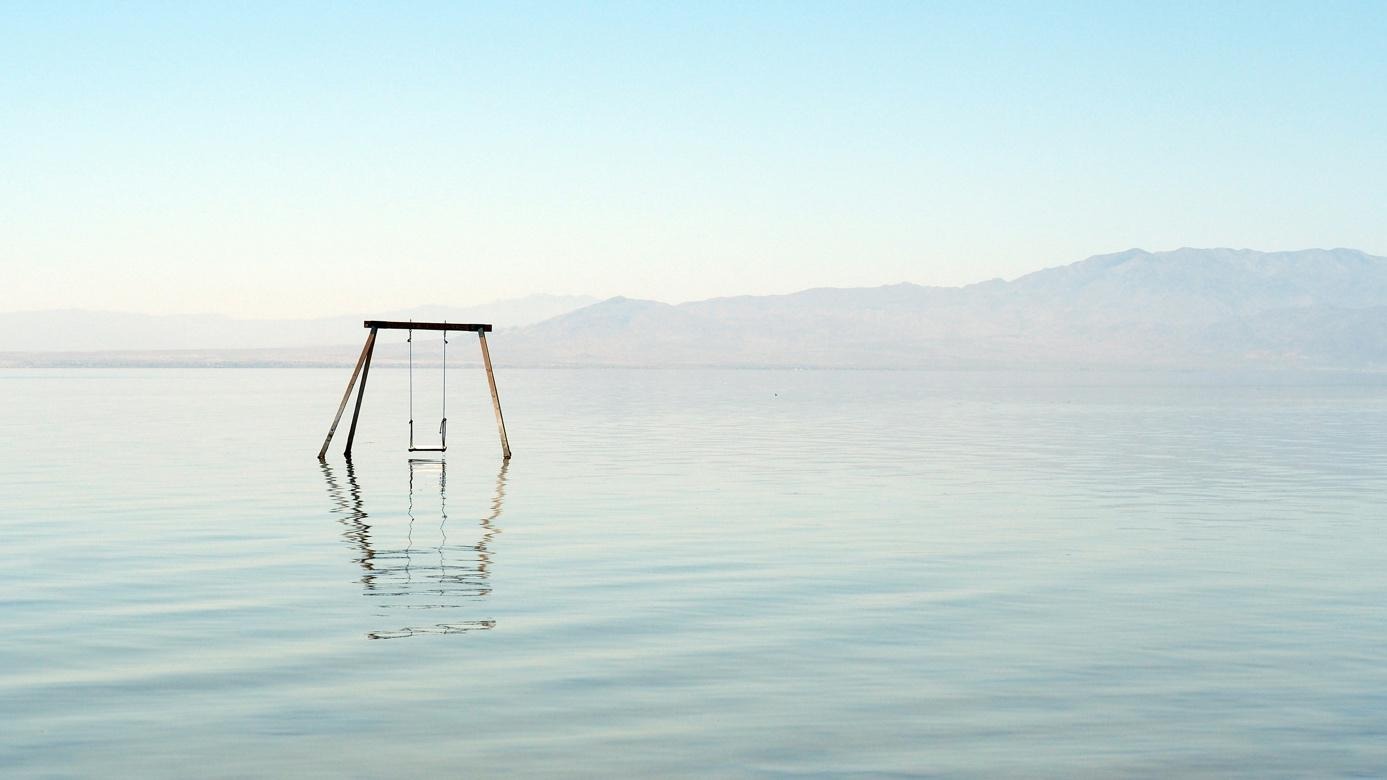
There is something about water that the body remembers before the mind does.
Long before we learned to walk or even breathe air, our first environment was liquid. Suspended in the amniotic waters of the womb, we were carried, nourished and protected in a state of effortless floating.
In many ways, water is the first place where we ever felt safe.
Perhaps this is why being gently supported in warm water can trigger such a profound relaxation of the nervous system.
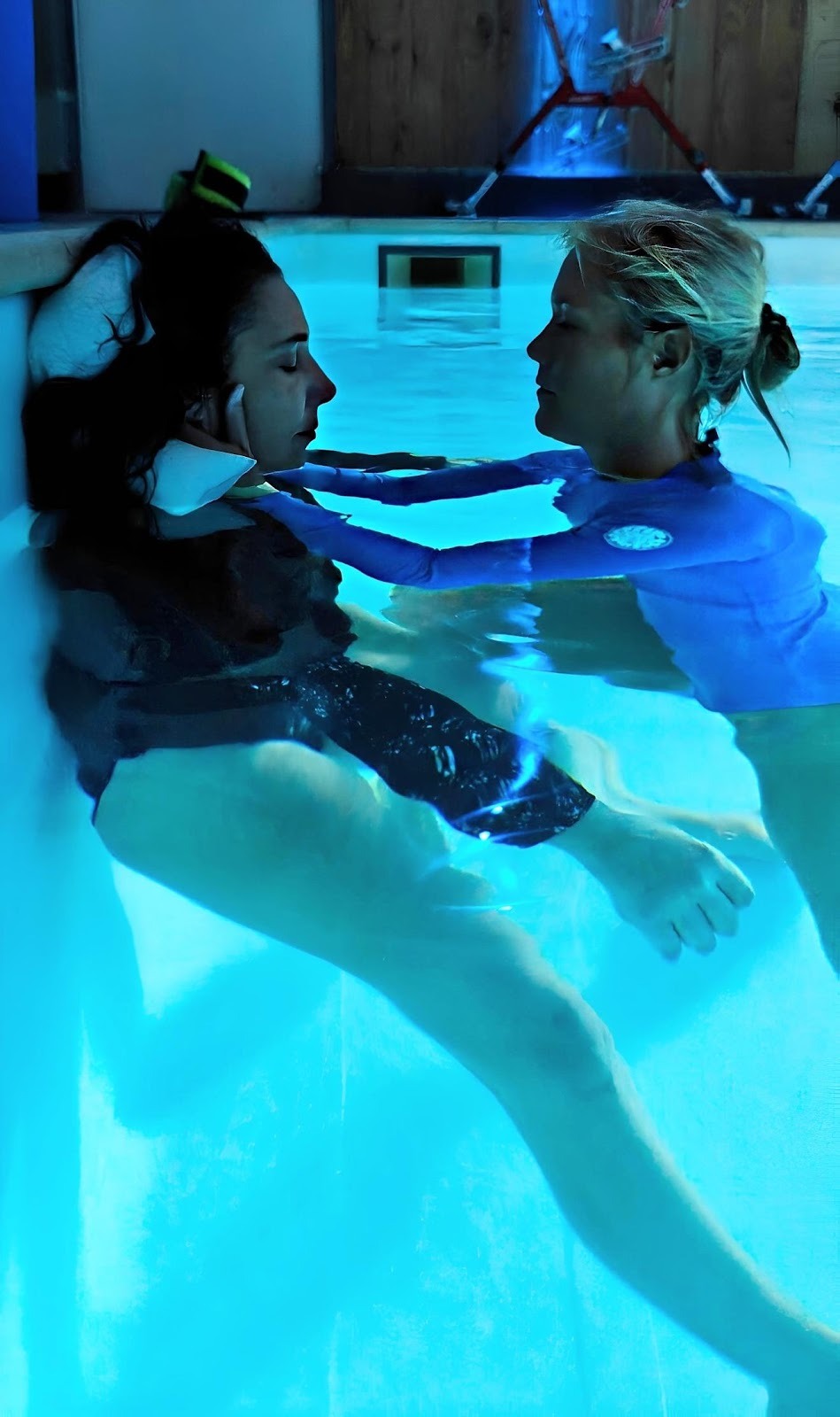
Aquatic therapies invite the body into this forgotten territory. Floating at the surface of warm water, the body is slowly guided through fluid, spiral-like movements. At times the face touches the water; at others the body is briefly immersed, always in rhythm with the breath.
The experience is not about doing.
It is about allowing, and presence to what it.
As gravity loosens its hold, the body becomes lighter. Muscles soften, breathing deepens, and the mind gradually quiets.
Many people describe a sensation that feels strangely familiar - not because they have experienced it before in adulthood, but because the body remembers.
Water carries an ancient memory.
The body remembers water

From a physiological perspective, immersion in warm water reduces the body’s weight by up to ninety percent, relieving pressure on joints and muscles. Circulation improves, the nervous system shifts toward parasympathetic regulation, and the body naturally enters a state associated with recovery and restoration.
But beyond these physical effects, something subtler often happens.
When the body feels supported and safe enough, deeply held tensions may begin to dissolve. Sometimes this manifests simply as a profound calm. At other times, emotions or memories surface gently.
Water becomes a space where the body can release what it no longer needs to hold.
The art of surrender

One of the most powerful dimensions of aquatic therapy is the experience of trust.
During a session, the practitioner remains continuously present, supporting the body and adapting movements to the breathing rhythm of the person in the water. This constant support allows the receiver to gradually let go of control.
In a world where we constantly manage, anticipate and protect ourselves, this moment of surrender can be deeply transformative.
Movement becomes fluid again.
Breathing becomes natural again.
And the mind discovers a rare form of quiet.
Returning to something essential
Across cultures, water has always symbolized renewal.
Rivers, seas and springs have long been places where people come to cleanse, reflect and begin again. Aquatic therapies continue this ancient relationship between water and transformation.
For many, the experience feels like a rebirth.
Not in a literal sense, but as a return to something more fundamental — a state where the body remembers how to rest in the flow of life.
Because before identity, before effort, before the need to control anything at all, we all began in water.
And sometimes, by returning to water, we remember.


.webp)